Jesse James | Gallatin, Missouri
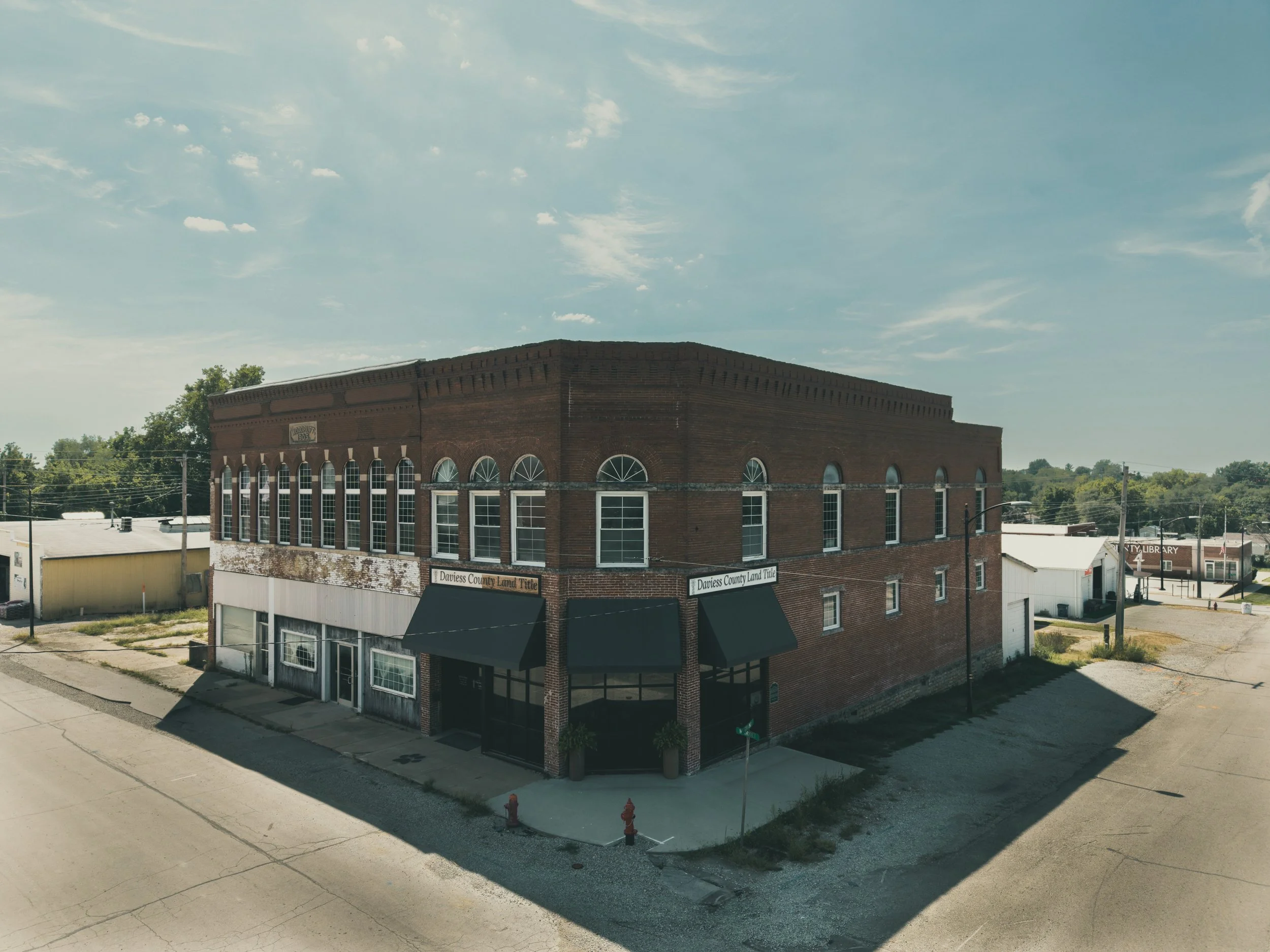
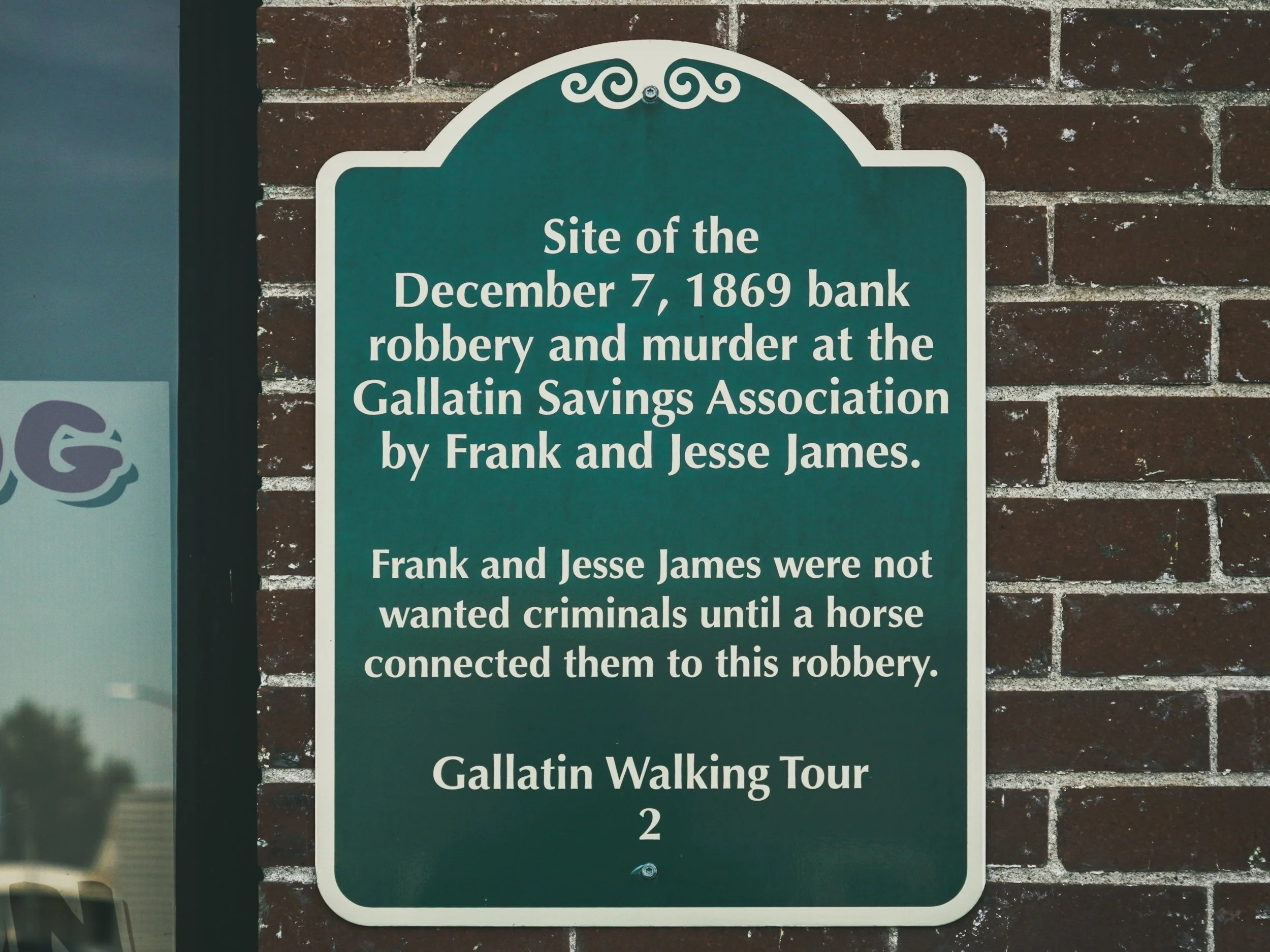
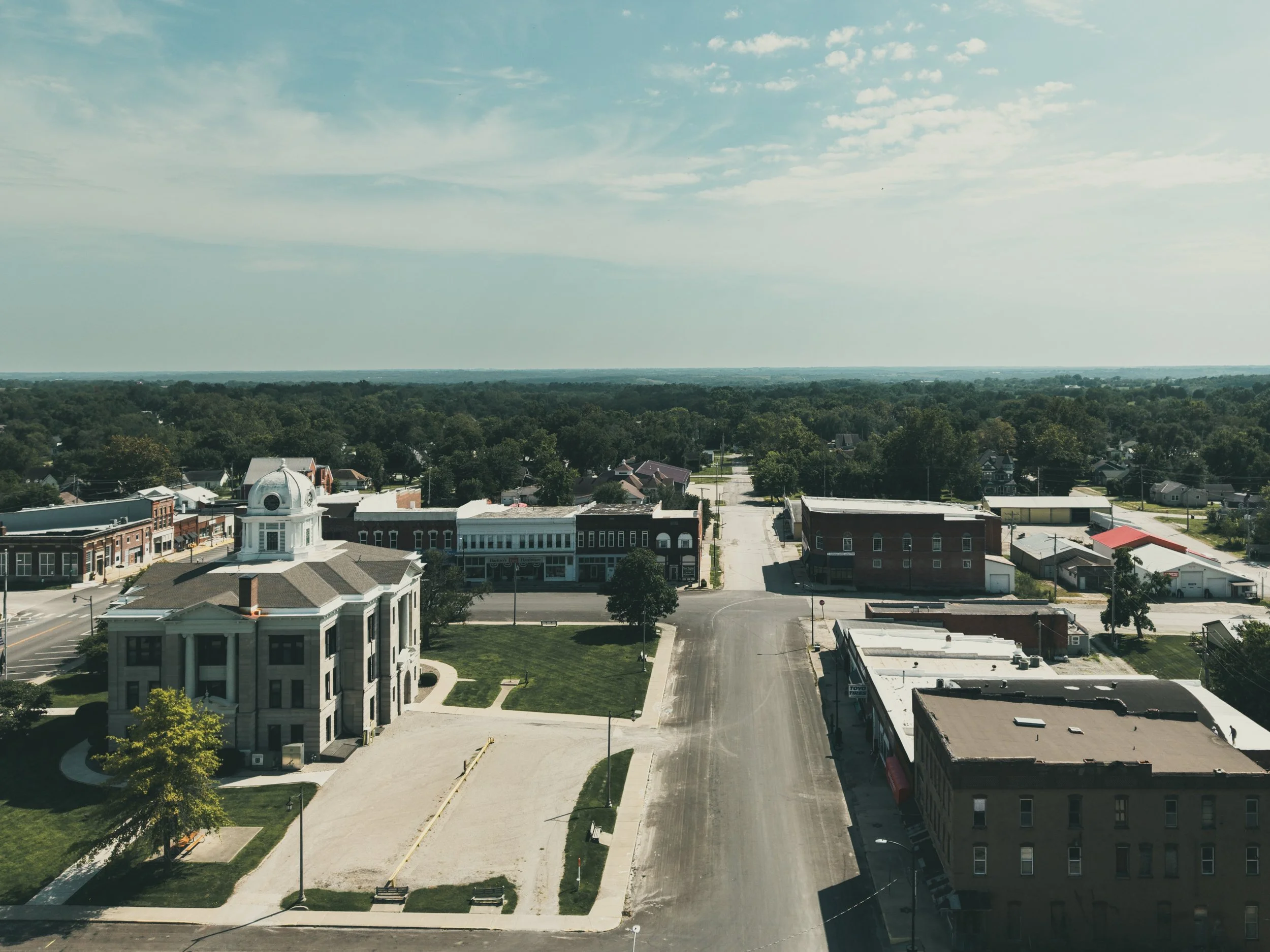
On December 7, 1869, two men entered the Daviess County Savings Association on the southwest corner of Gallatin’s square. During the robbery, cashier John Sheets was shot and killed. The crime brought Jesse James into public view and tied his name to Gallatin.
Jesse had served with Confederate guerrillas during the Civil War, including William “Bloody Bill” Anderson. Anderson was killed in 1864 in a fight with Union troops led by Samuel P. Cox, who lived in Gallatin. According to the State Historical Society of Missouri, Jesse shot the cashier believing he was the man responsible for Anderson’s death. The man killed was John Sheets, a former Daviess County sheriff who had also served in other county offices. Four years after the war ended, its violence had reached him at work in the bank.
The robbers’ escape left evidence behind. One of their horses got loose and was left in Gallatin. The animal was linked to Jesse, who later acknowledged having owned it but maintained that he had sold it before the robbery. Outside town, the fleeing men took a horse, saddle, and bridle from farmer Daniel Smoote. Smoote hired Gallatin attorney Henry Clay McDougal and brought a civil suit against Frank and Jesse James in 1870. His claim totaled $223.50.
The brothers denied being in Daviess County on the day of the robbery. When they failed to appear in court, Smoote won his case. No surviving county court record shows that they ever paid him. As Jesse became more widely known, newspaper editor John Newman Edwards helped shape his public image. Edwards published Jesse’s letters asserting his innocence and portrayed him as a defender of the Confederate cause. The robberies continued, while the newspaper stories helped build the legend around his name.
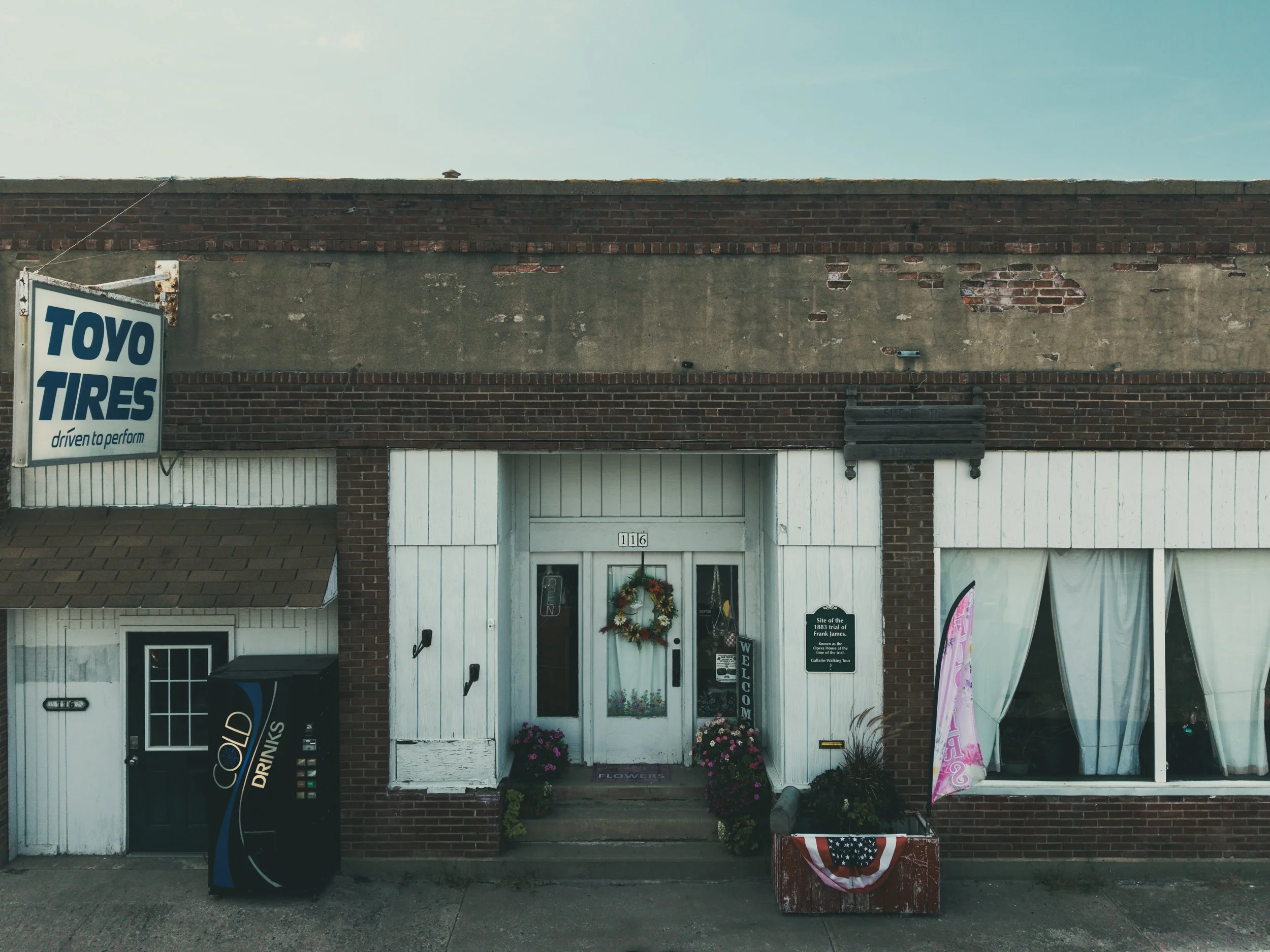
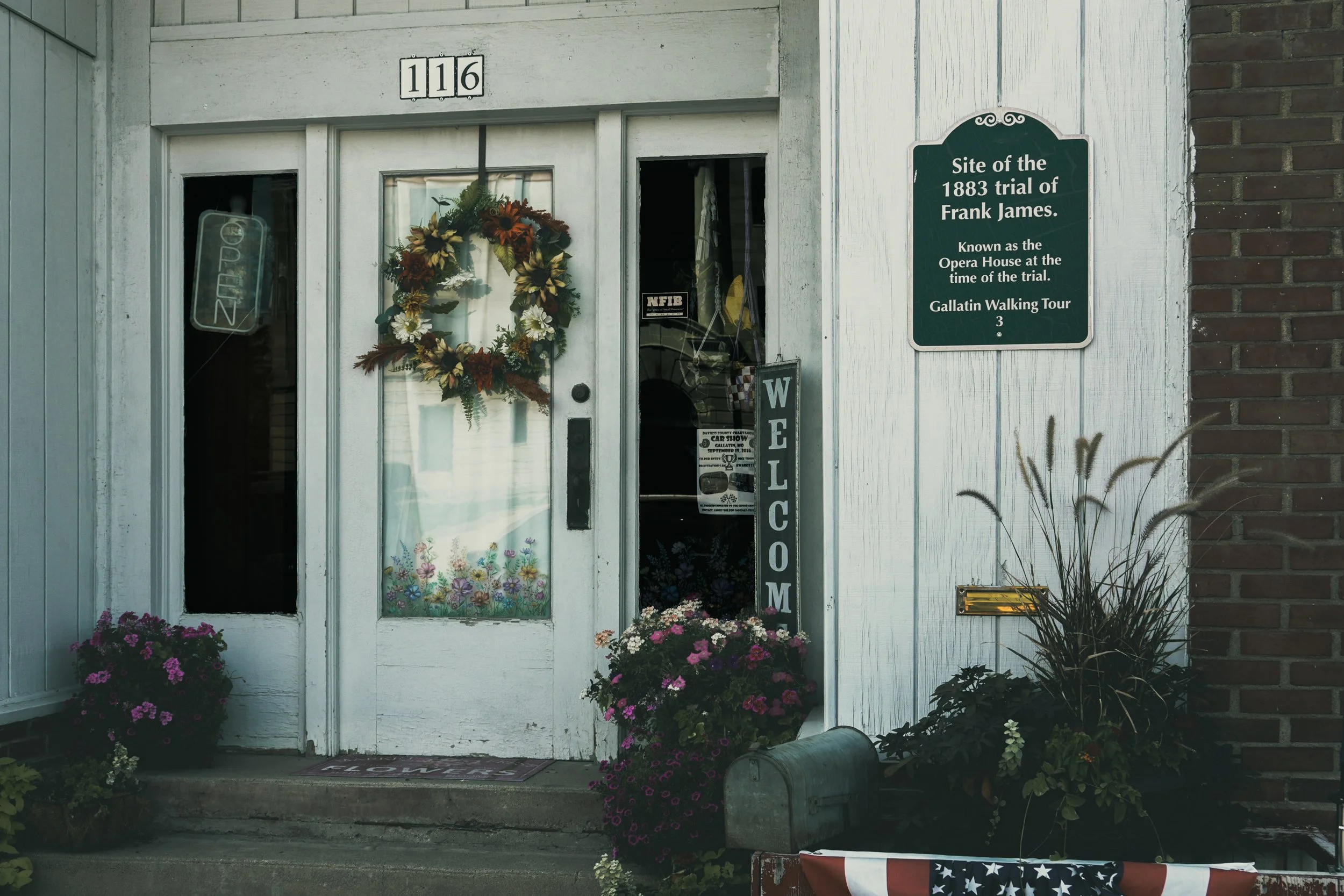
Gallatin’s connection to the brothers continued after Jesse was killed in 1882. The following year, Frank was tried here and acquitted in a murder case arising from the 1881 Winston train robbery. Much of the trial took place in an opera house on the west side of the square. The marker at 116 North Market identifies that site today.
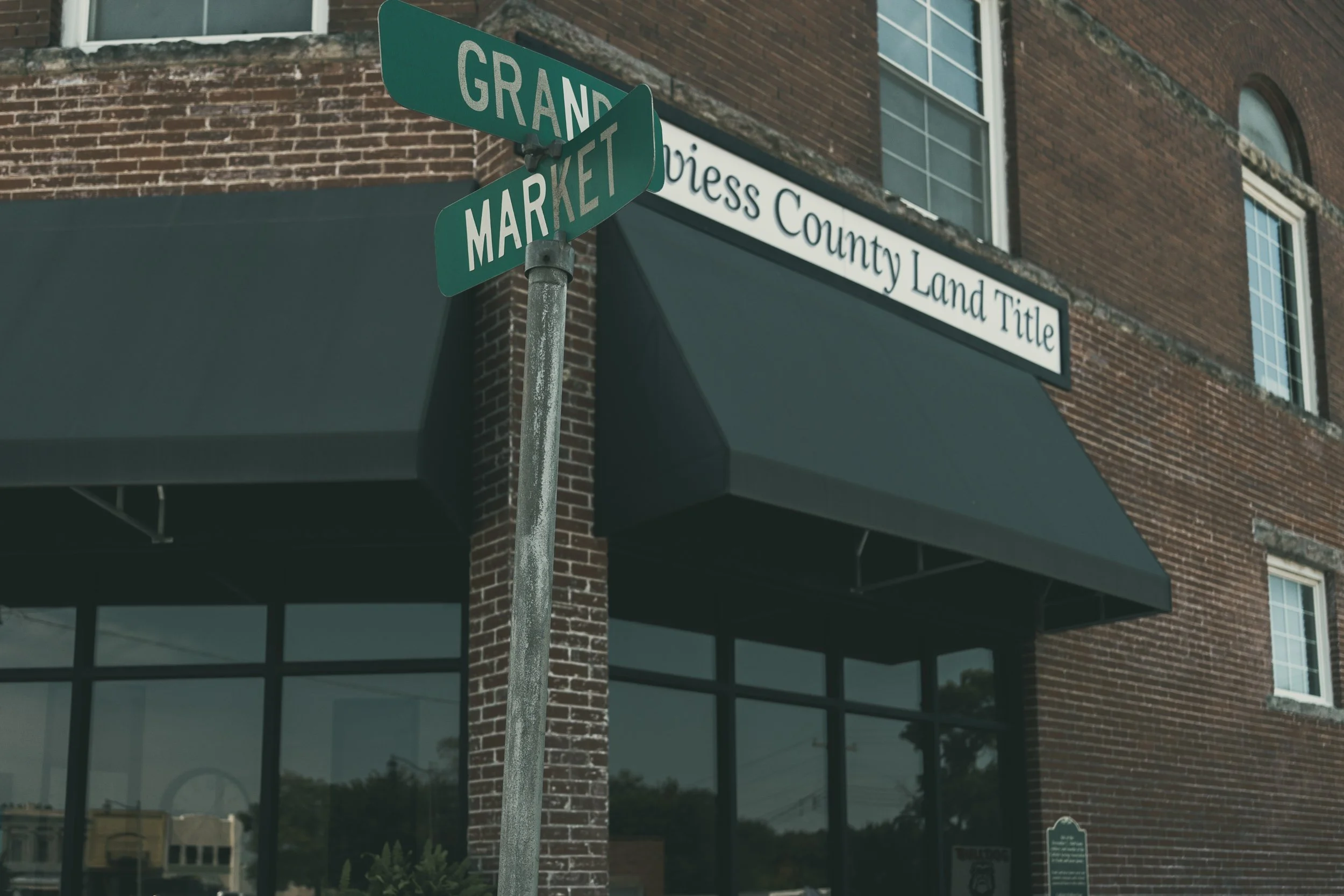
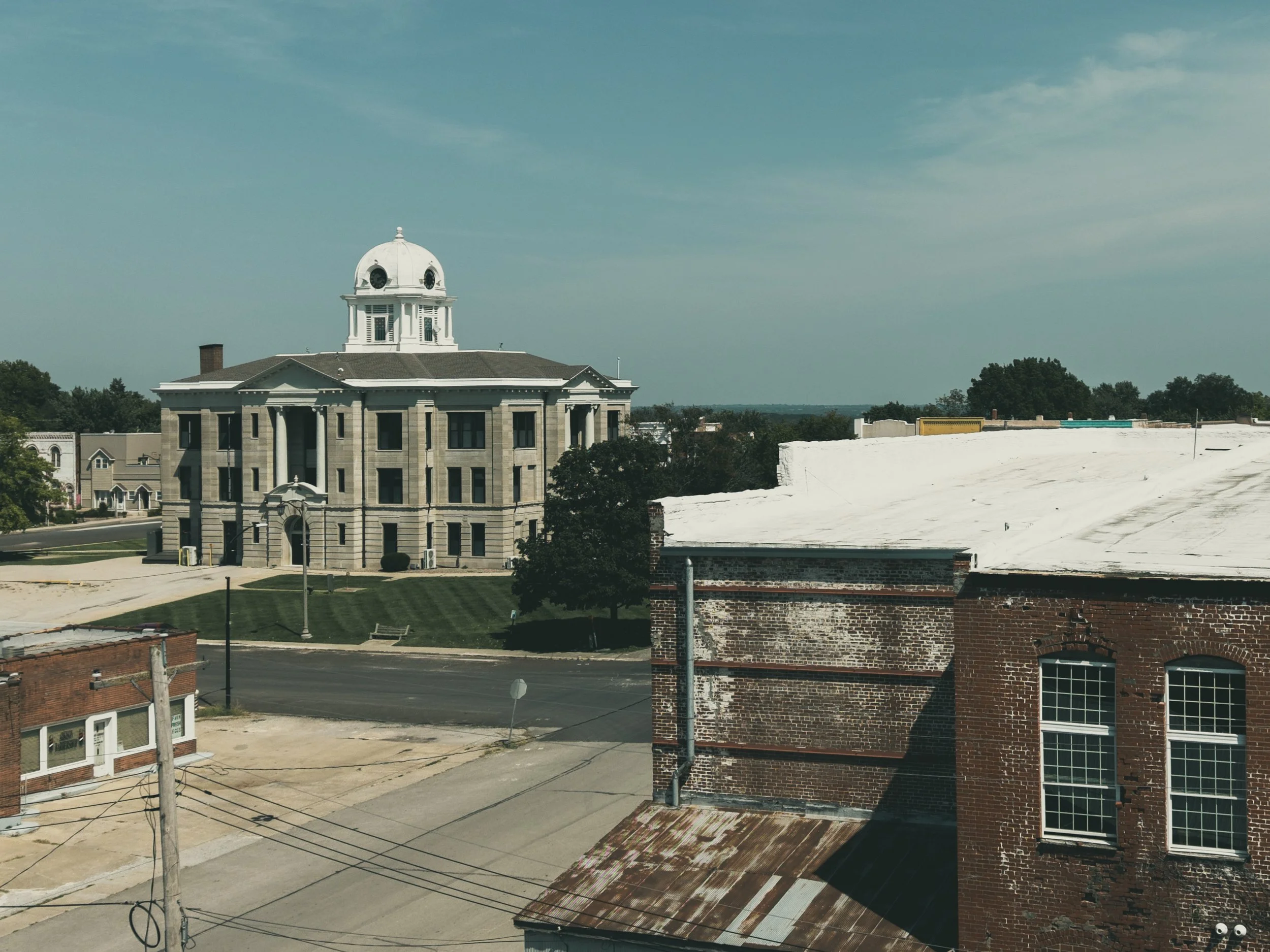
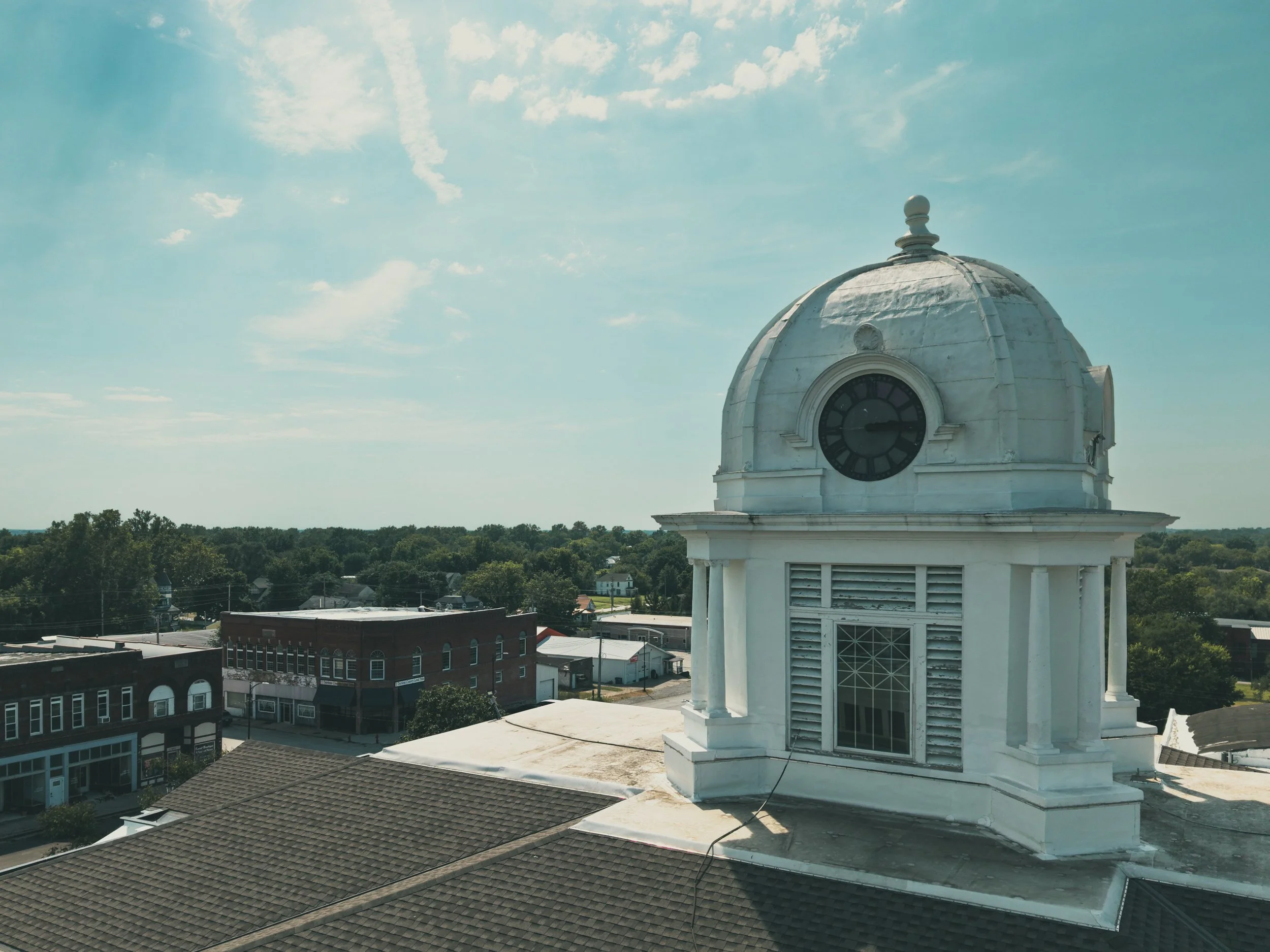
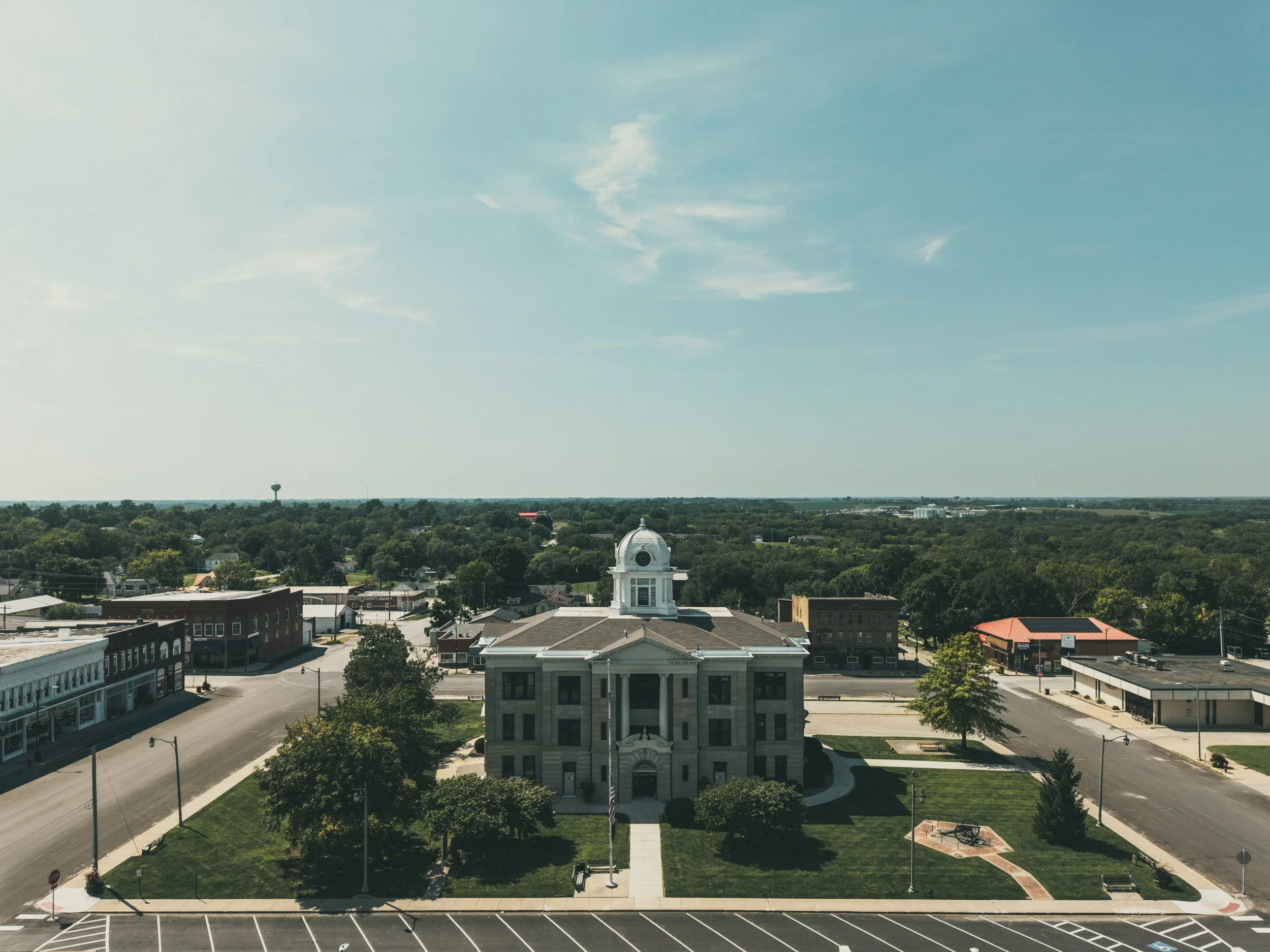
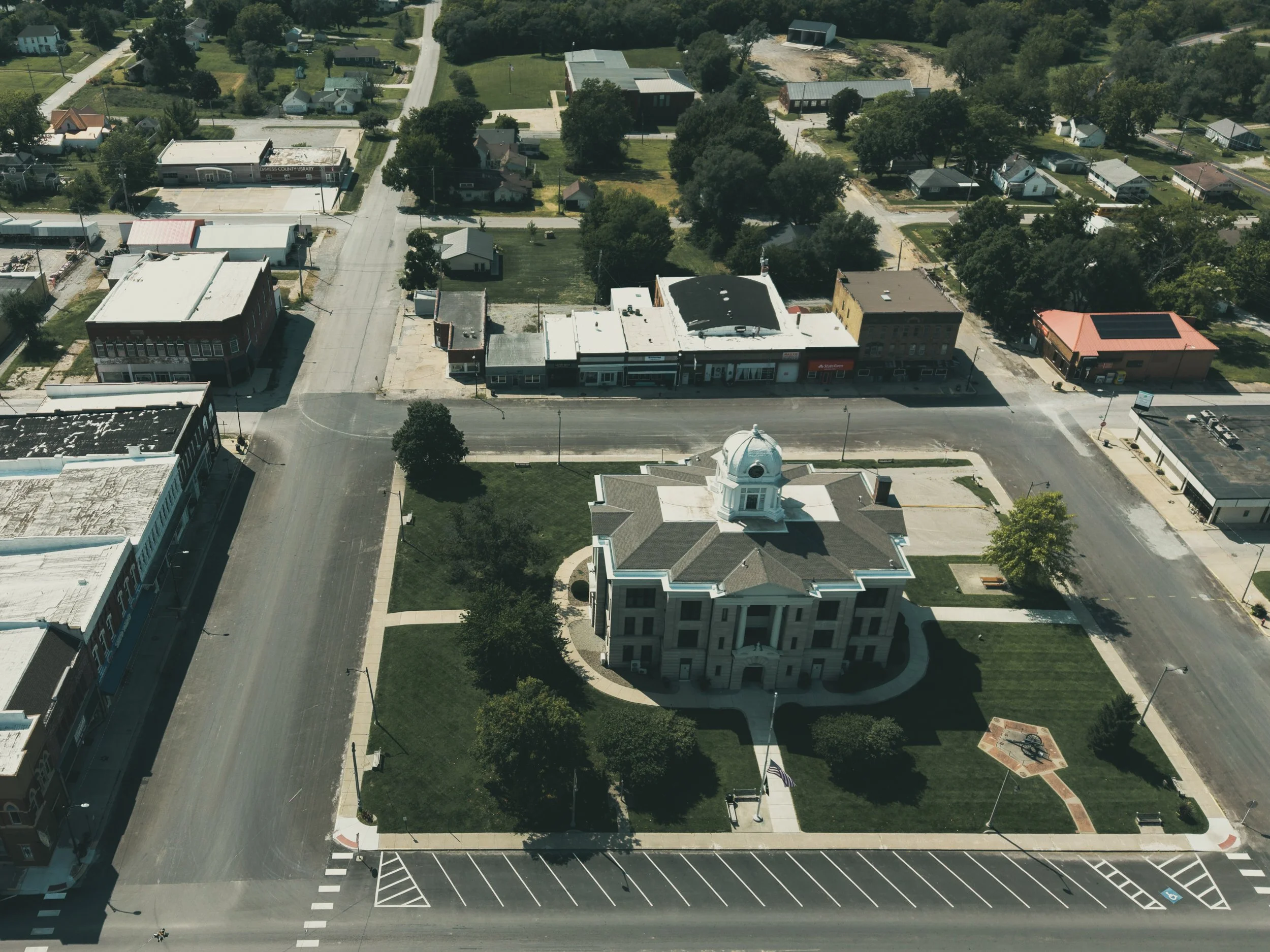
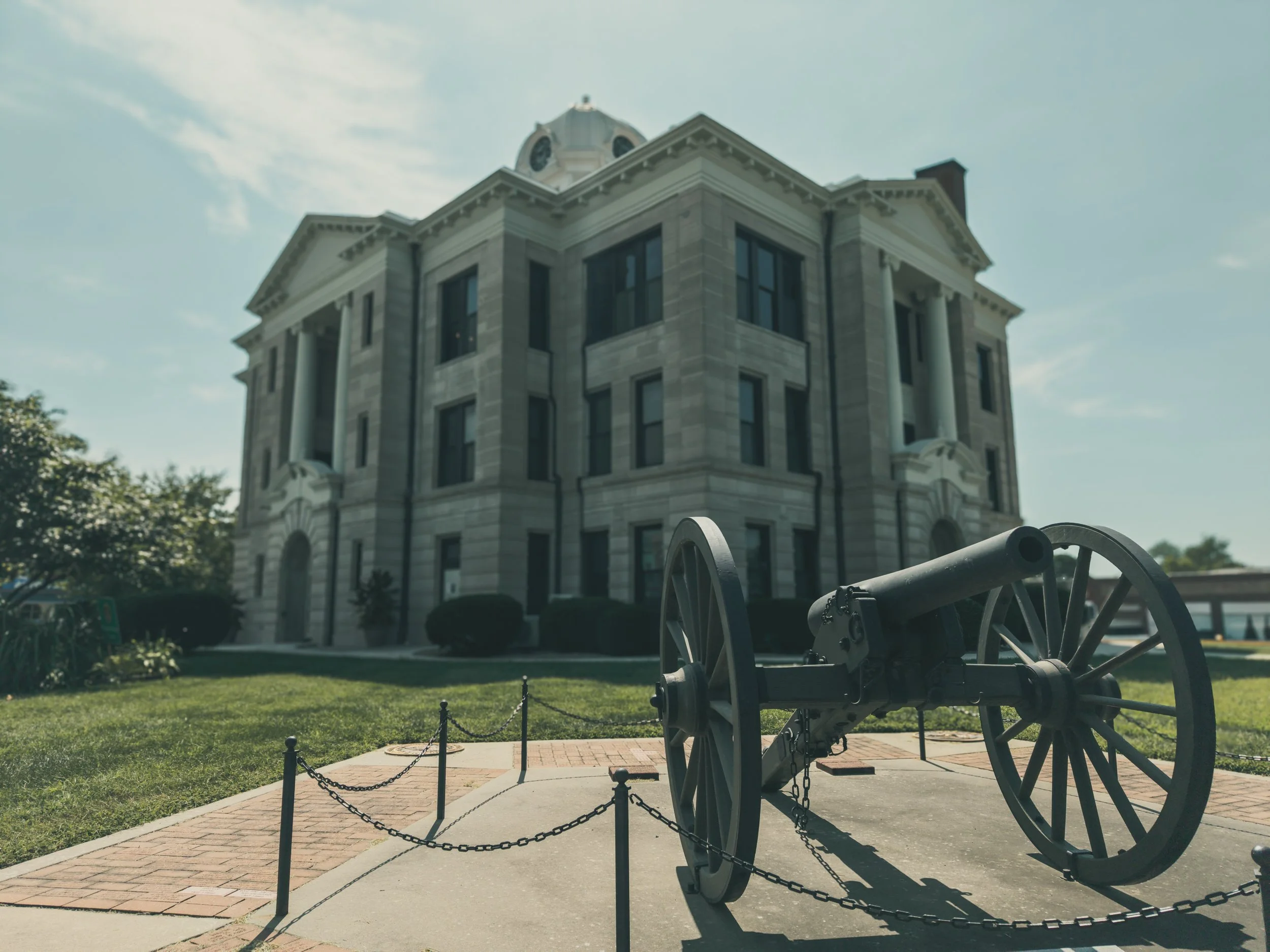
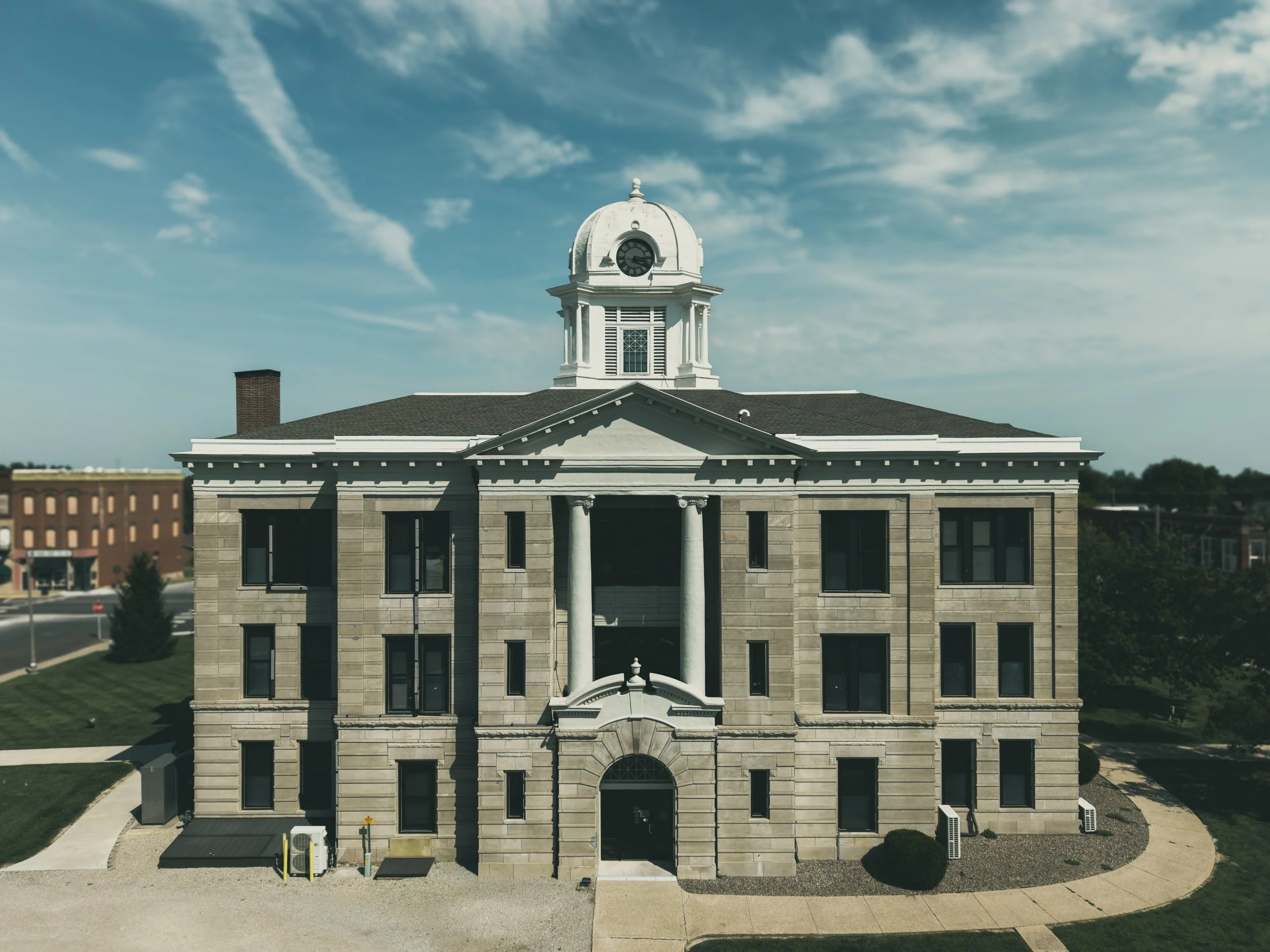
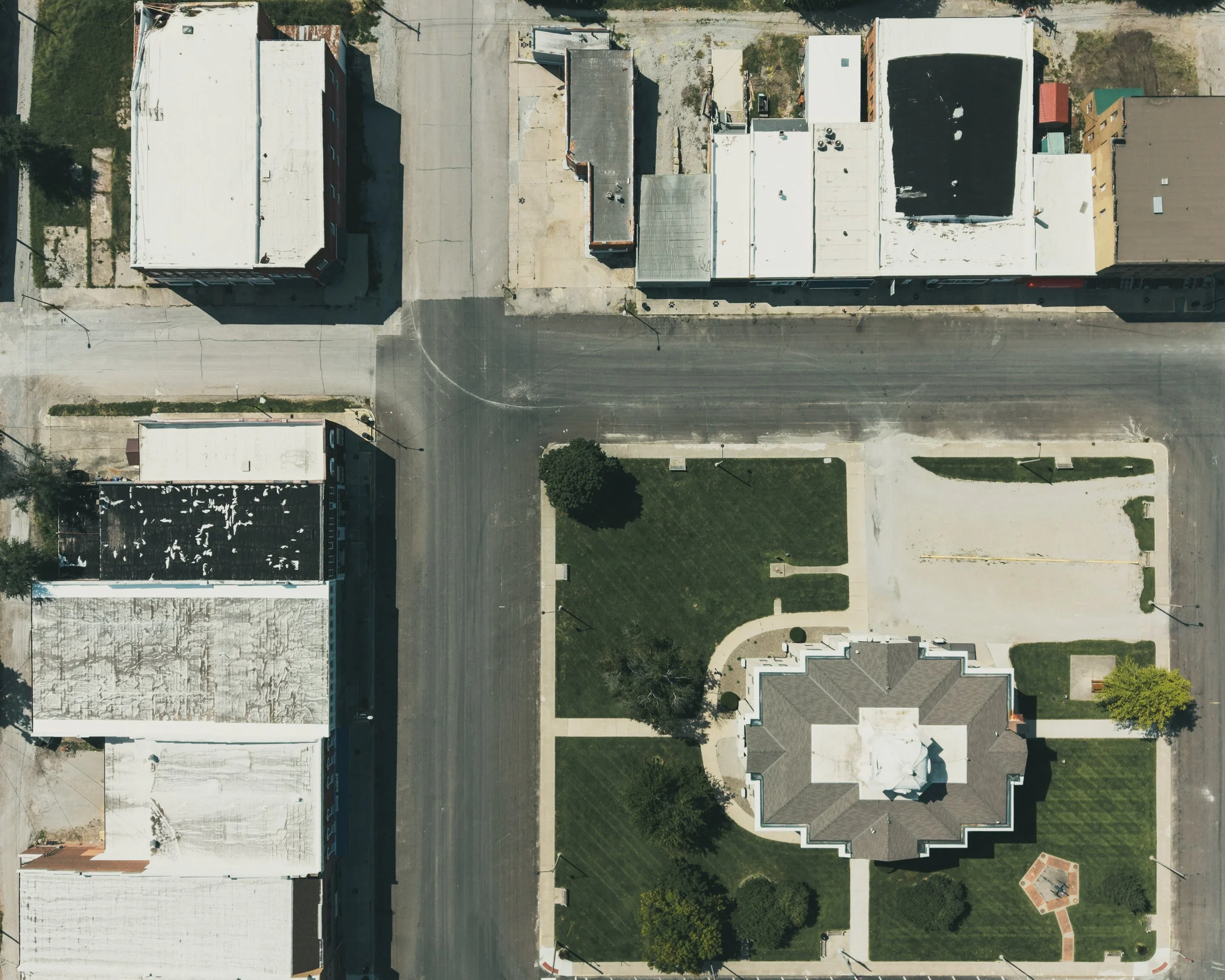
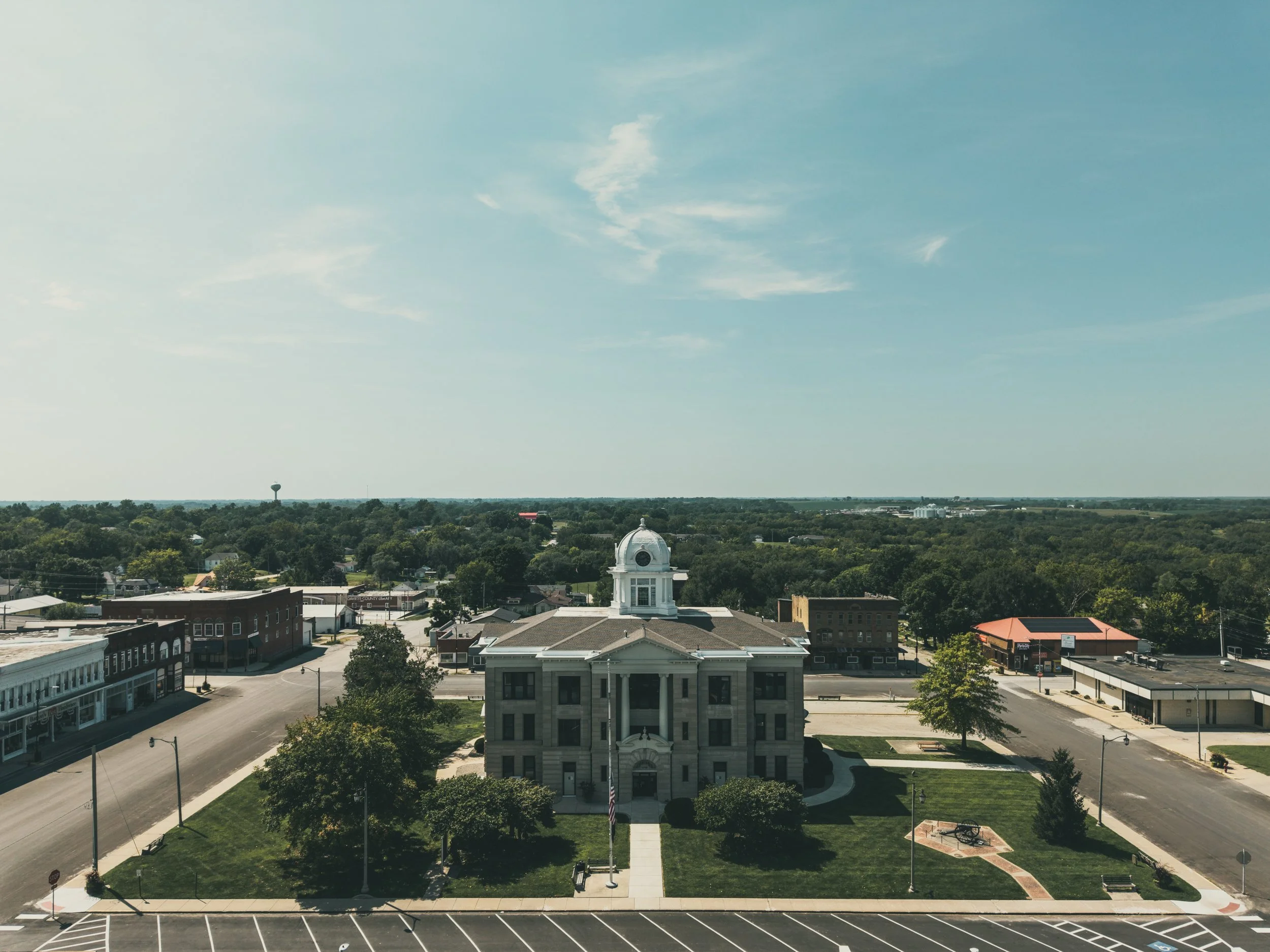
An earlier courthouse stood in the square when the bank was robbed. The courthouse in these photographs was built in 1908, overlooking the same square where the robbery and escape unfolded. Near Grand and Market, the walking-tour marker identifies the bank site. The court papers survived, too. Smoote’s lawsuit was rediscovered among Daviess County’s records in 2007 and sent to the Missouri State Archives for preservation.